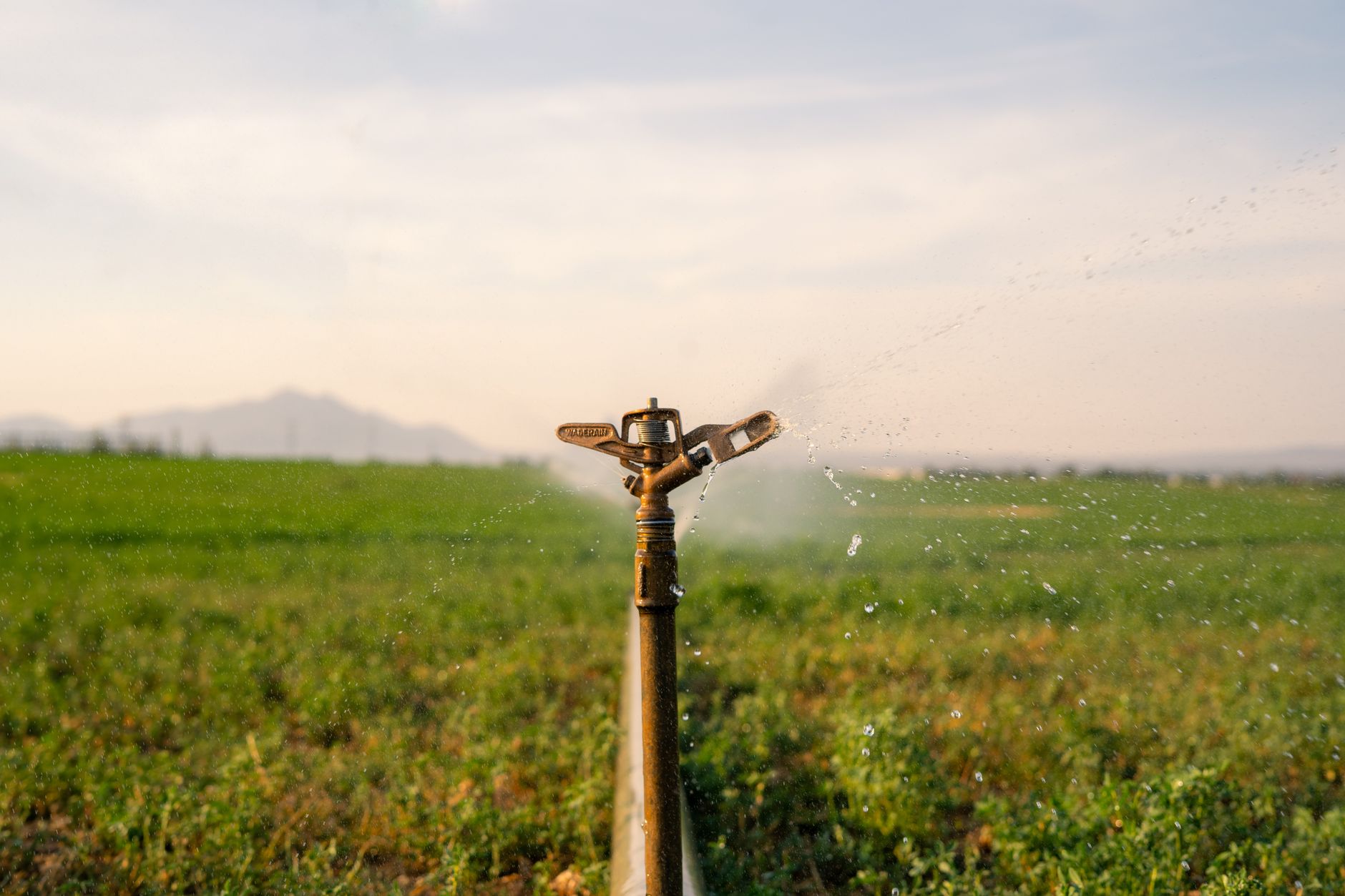
Sprinkler Blowout Cost in Boise, ID: Pricing, Timing, and What to Expect
By Green Lawn Care and Landscape9 min read
This covers standard residential systems with up to 8 zones. Most Treasure Valley homeowners schedule service between late September and early November, before the first hard freeze drops below 32°F.
How Much Does a Sprinkler Blowout Cost in Boise, ID?
Boise-area pricing for residential sprinkler winterization runs $65 to $150 for standard systems (lawnlove.com). This tracks closely with the national average of $83.50 to $216.50 (lawnlove.com). Nationally, the overall cost of sprinkler winterization ranges from $60 to $145, with large multi-zone systems reaching $250 (lawnlove.com). Commercial properties and larger residential estates with more complex layouts can exceed $300 depending on system configuration (lawnlove.com). At Green Lawn Care and Landscape, we offer bundled seasonal packages that include fall blowout service, spring startup, and mid-season irrigation zone checks, giving homeowners predictable pricing and priority scheduling before October fills up.
What Factors Raise or Lower Your Final Price?
Zone count is the biggest pricing driver. It affects any irrigation system winterization quote. Each additional zone adds time, air pressure cycles, and technician labor. Understanding your system's layout matters before you call for a quote. System accessibility also affects the final bill. If your backflow preventer is buried under a deck, tucked in a crawl space, or surrounded by landscaping that limits equipment access, expect additional labor time. Drip irrigation zones require separate handling from standard rotary and spray zones, and may add to your total. Properties in Eagle, Star, Kuna, and outer Treasure Valley communities may also see a travel or fuel surcharge depending on the provider's primary service territory. Asking for an itemized written quote before booking eliminates surprise charges and lets you compare providers accurately.
When Is the Right Time to Schedule a Sprinkler Blowout in Boise?
Timing your sprinkler blowout correctly in Boise requires understanding two separate deadlines: the City of Boise's irrigation pressure shutoff and the arrival of the first hard freeze. The City of Boise typically shuts off irrigation water pressure around October 15 each year. This is a critical detail many homeowners miss. That shutoff removes the municipal water supply pressure from your system, but it does NOT drain the water already sitting inside your pipes, valves, and backflow assembly. Water remains in those lines after the shutoff. It will freeze if temperatures drop before you schedule a blowout. The first freeze, defined as surface air temperature reaching 32°F or below (ncei.noaa.gov), can arrive in the Treasure Valley as early as late September in colder microclimates. The historical NOAA Climate Normals from 1991 to 2020 (ncei.noaa.gov) confirm that Boise sits at the edge of the October freeze window, making mid-month scheduling the smartest play. Booking by October 1 to October 15 gives you a buffer before the city shutoff, before the freeze risk spikes, and before every irrigation company in the valley is triple-booked.
What Happens If You Miss the Window?
Skipping or delaying a sprinkler blowout is not a minor oversight. Water expands approximately 9% when it freezes, and that expansion destroys PVC pipe fittings, cracks valve bodies, and splits lateral lines from the inside out. Backflow preventers are the most expensive single component at risk, with replacement costs often running $200 to $500 (lawnlove.com) installed. Homeowners insurance policies generally exclude landscape irrigation systems from freeze damage coverage, which means every repair dollar comes directly out of pocket. A single overnight temperature dip below 28°F is enough to cause irreversible damage to unprotected above-ground components. The math is simple: a $75 to $100 blowout now prevents a $500 to $2,000 repair bill in spring.
What Does a Professional Sprinkler Blowout Actually Include?
A professional sprinkler blowout is systematic. It processes zones one by one. It requires commercial-grade equipment. Most homeowners lack this technical knowledge. Consider this example. A homeowner in Eagle has an 8-zone system. It was installed five years ago. It feeds front lawn spray heads. It also feeds backyard drip irrigation lines. A professional technician would arrive with a commercial compressor, activate each zone separately starting from the farthest point, and ensure all water is expelled from both the rotary and drip components before carefully positioning the backflow preventer ball valves. Without this approach, trapped water freezes in drip lines. This cracks underground laterals. Spring repairs cost $800 to $1,200. The technician arrives with an air compressor. It is trailer-mounted or truck-mounted. It delivers the CFM output needed. It fully clears each zone. They connect to the mainline at the system's blowout port, then activate each zone individually using the irrigation controller, starting farthest from the compressor and working back toward the source. Rotary heads require multiple air passes per zone to fully evacuate all residual water from the lateral lines. Spray heads typically clear in a single pass. After each zone is purged, the technician moves to the backflow preventer assembly, a critical component that must be handled carefully. The internal ball valves on the backflow are left in a 45-degree open position after the blowout to prevent pressure buildup if any water remains. The irrigation controller is then powered down or switched to a rain/off mode for winter. A reputable technician will also flag any damaged heads, cracked valve boxes, or faulty solenoids observed during the process, giving you a written report of items to address before spring startup.
Why Shouldn't You Attempt a DIY Blowout?
The DIY blowout route is genuinely risky, not just inconvenient. Consumer air compressors typically deliver far less output than the 10+ CFM minimum required to clear most residential irrigation zones, and they cannot sustain the pressure cycles needed for multi-zone systems. PVC pipe systems have a maximum safe operating pressure of 80 PSI; exceeding that threshold shatters heads and blows apart fittings. Even renting a compressor costs $30 to $60 (lawnlove.com) and still requires the operator to know exactly how to purge each zone without over-pressurizing. A licensed technician carries liability insurance that covers any accidental damage during service. DIY blowout errors rank among the top causes of spring startup failures, meaning the money saved in October often gets spent twice in April.
How to Choose a Reliable Sprinkler Winterization Company in Boise
Choosing the right irrigation company in Boise is harder in October than any other month, because demand spikes precisely when you need to make a fast decision. Start with insurance verification. Ask specifically whether their technicians hold Irrigation Association Certified Irrigation Technician credentials, which indicate training in system design, installation, and winterization best practices. That gap means unlicensed operators can legally offer blowout services, so credentials and reviews matter more than they would in a licensed trade. Check Google and Nextdoor reviews specifically for comments about punctuality, follow-through, and whether the technician actually reported damage found during service. Generic five-star reviews about friendliness are far less useful than detailed accounts of how the company handled a problem. Our team at Green Lawn Care and Landscape has served Boise, Meridian, Eagle, and the broader Treasure Valley for years, and we consistently hear from new clients that their previous provider simply showed up, blew out the system, and left without any communication about system condition.
What Questions Should You Ask Before Booking?
Before committing to a sprinkler winterization appointment, ask four direct questions. First, what size compressor do you use and what CFM does it deliver? A legitimate provider will answer immediately and specifically. Second, do you charge per zone or a flat rate, and exactly what is included? Third, will you inspect the system and provide a written report of any visible damage? Fourth, can I bundle this service with a spring startup or annual landscape maintenance plan to reduce my total seasonal cost? A company that hesitates or gives vague answers to any of these questions deserves a second call to a competitor. Spring startup service nationally averages $46.50 to $141.50 (lawnlove.com), so bundling fall and spring together as a package often produces meaningful savings.
Sprinkler Blowout vs. Other Winterization Methods: What Works in Boise's Climate?
Boise's climate favors the compressed air blowout. The soil profile does too. It is the clear best choice for Treasure Valley homeowners. The table below explains why. The manual drain method requires purposefully sloped pipe runs and low-point drain valves installed at the time of system design. Most Boise residential irrigation systems were not designed this way, which means manual draining leaves water trapped in horizontal runs where it freezes. Automatic drain valves open when pressure drops but fail to evacuate water from level or slightly pitched lines. Boise sits in USDA Plant Hardiness Zone 7a and 7b, where overnight temperatures can swing dramatically during fall, and the Treasure Valley's clay-heavy soils retain cold longer than sandy soils, increasing the freeze risk for shallow lateral lines even after the air temperature climbs back above freezing. The urban heat island effect in central Boise can produce temperatures 3 to 5°F warmer than surrounding areas like Kuna, Mountain Home, and the Boise foothills. That difference gives some North End and Bench homeowners slightly more scheduling flexibility, but it is not a reason to delay past mid-October. A single early cold snap overrides any urban heat advantage for above-ground components.
Sprinkler Winterization Methods Compared for Boise, ID Homeowners
The table below puts all four winterization approaches side by side so Treasure Valley homeowners can see at a glance why the blowout method dominates in Idaho's climate.
| Method | Typical Cost | Risk Level | Requires Pro Equipment | Works for Boise Clay Soils | Recommended for Treasure Valley |
|---|---|---|---|---|---|
| Compressed Air Blowout | $65 to $150 | Low (when done correctly) | Yes (10+ CFM compressor) | Yes | Yes, strongly recommended |
| Manual Drain | $0 to $50 (lawnlove.com) DIY / $75 to $100 pro | Medium (requires sloped pipe design) | No | Limited | Only if system was designed for it |
| Automatic Drain Valves | $0 ongoing | Medium-High (residual water risk) | No | Limited | No, not sufficient alone |
| No Winterization | $0 upfront / $500 to $2,000+ in repairs | Very High | No | No | Never recommended |
The cost of skipping winterization entirely is not theoretical. The blowout method eliminates that risk for a fraction of the cost.
Frequently Asked Questions
How much does a sprinkler blowout cost in Boise, ID in 2026?
In Boise, a standard residential sprinkler blowout costs $65 to $150 for systems with up to 8 zones. Basic systems often run around $75, with many homes in the $75 to $93 range. Larger systems with 9 to 15 zones typically reach $150 to $225, and commercial properties can exceed $300 depending on complexity.
When should I schedule my sprinkler blowout in the Treasure Valley?
Schedule your blowout between October 1 and October 15 in the Treasure Valley. The City of Boise shuts off irrigation pressure around October 15, but that shutoff does not drain your pipes. Booking before mid-October ensures you beat both the city shutoff deadline and the surge in provider demand that makes late-October appointments nearly impossible to secure.
What size compressor does a professional use for a sprinkler blowout?
Professional technicians use commercial-grade air compressors delivering 10+ CFM at safe operating pressure for your pipe type. PVC systems must stay below 80 PSI to avoid shattering heads or fittings. Trailer-mounted or truck-mounted units sustain the output needed to purge multiple zones thoroughly, which is why consumer-grade compressors are inadequate for most residential systems.
Can I do my own sprinkler blowout with a home air compressor?
DIY blowouts are genuinely risky. Most home compressors cannot sustain the CFM output required to clear residential irrigation zones fully. Over-pressurizing above 80 PSI can shatter heads and split lateral lines. Air compressor rentals run $30 to $60, but without technical knowledge of zone sequencing and backflow valve positioning, errors are common and costly.
Does a sprinkler blowout include a system inspection?
A thorough professional blowout should include visual inspection of all heads, valve boxes, solenoids, and the backflow preventer assembly. A reputable technician will provide a written or verbal report of any damage identified during service. Not every company offers this by default, so confirm before booking whether inspection and reporting are included in the quoted price.
How long does a residential sprinkler blowout take in Boise?
Most standard residential systems in Boise take 30 to 60 minutes to blowout completely. A 4 to 7 zone system on a typical single-family lot generally takes under 45 minutes. Larger systems, properties with drip irrigation zones, or systems with accessibility issues around the backflow preventer or main shutoff can extend service time to 90 minutes or more.
What is the difference between a sprinkler blowout and a manual drain winterization?
A blowout uses compressed air to force all water out of every zone, regardless of pipe slope or layout. A manual drain relies on sloped pipe runs and low-point drain valves that must be built into the system at installation. Most Boise residential irrigation systems were not designed for manual drainage, making the compressed air blowout the only fully reliable option.
Will my homeowners insurance cover freeze damage if I skip the blowout?
Homeowners insurance policies generally do not cover landscape irrigation system freeze damage. Insurers classify this as preventable maintenance neglect rather than sudden accidental damage. That means every repair dollar for cracked pipes, split fittings, and failed backflow preventers comes directly out of pocket, often totaling $500 to $2,000 or more for a typical Boise system.
How do I know if my irrigation system was damaged over the winter?
Signs of winter damage appear at spring startup: zones that fail to pressurize, wet spots or flooding in the yard when a zone activates, heads that will not pop up fully, or water pooling near the backflow preventer. A professional spring startup service systematically tests every zone and inspects components, catching damage early before it becomes a larger repair.
Is a spring startup service separate from the fall blowout, and what does it cost?
Yes, spring startup is a separate service. It involves pressurizing the system, testing each zone, adjusting head alignment, and checking the controller program. Nationally, spring activation averages $46.50 to $141.50 depending on system size and provider. Bundling fall blowout and spring startup into an annual maintenance plan often reduces the combined cost by 15 to 25 percent.
What is the average sprinkler blowout price in Boise?
The average sprinkler blowout price in Boise runs $75 to $93 for most standard residential systems. Basic setups can come in near $65 to $75, while systems with more zones or drip irrigation components push toward $125 to $150. These Boise prices align closely with the national blowout average of $83.50 to $216.50 across all system sizes.
Are there seasonal discounts for sprinkler winterization in Boise?
Yes, some Treasure Valley providers offer early-season discounts for bookings made in September before demand peaks. Annual lawn care and landscape maintenance plans also typically include one blowout per season at a reduced or bundled rate. Calling in late September rather than mid-October gives you the best chance of securing promotional pricing and preferred scheduling slots.
When is the best month to schedule a blowout in Boise?
October is the best month overall, with early October being the ideal window. Booking between October 1 and October 15 aligns with the City of Boise's pressure shutoff date, stays ahead of the hard freeze risk, and avoids the mid-month scheduling crunch when every provider in the Treasure Valley is fully booked through the end of the month.
How far in advance should I book a Boise sprinkler blowout?
Book 2 to 3 weeks in advance to secure your preferred date in October. Providers in Boise, Meridian, Eagle, and the broader Treasure Valley fill their October calendars quickly once temperatures start dropping in late September. Waiting until you see frost on the ground in the morning often means a week or more before a technician can reach you.
Which Boise sprinkler companies offer same-day blowout service?
Same-day availability in October is rare and typically carries a $20 to $40 rush surcharge. Green Lawn Care and Landscape serves Boise, Meridian, Eagle, Garden City, and Ada County, and we prioritize existing maintenance plan clients during peak season. Calling early in the season remains the most reliable way to avoid premium rush fees and scheduling uncertainty.
Sources & References
About the Author
Green Lawn Care and Landscape
Green Lawn Care & Landscape Inc. is Boise's full-service landscaping company specializing in year-round outdoor maintenance for Idaho's challenging climate, from summer heat to winter snow.
Related Posts
Lawn Care Cost in Boise, Idaho: Pricing for Mowing, Fertilization, and Full-Service Plans
Lawn care costs in Boise, Idaho typically range from $35 to $85 per mowing visit and $300 to $800 per season for a basic maintenance plan. This guide breaks down current pricing for every major service, from one-time mows to year-round full-service contracts, so Treasure Valley homeowners can budget with confidence.
10 min read
Paver Patio Installation Cost in Boise, Idaho: Materials, Labor, and Price Ranges
Planning a paver patio in Boise? Costs typically range from $15 to $35 per square foot installed, depending on material choice, patio size, and site conditions. This guide breaks down every cost factor Treasure Valley homeowners need to know before requesting a quote.
13 min read